This interview was originally conducted as part of 4 Steps for Breaking Into Multi-Day Tours, published on Arival.
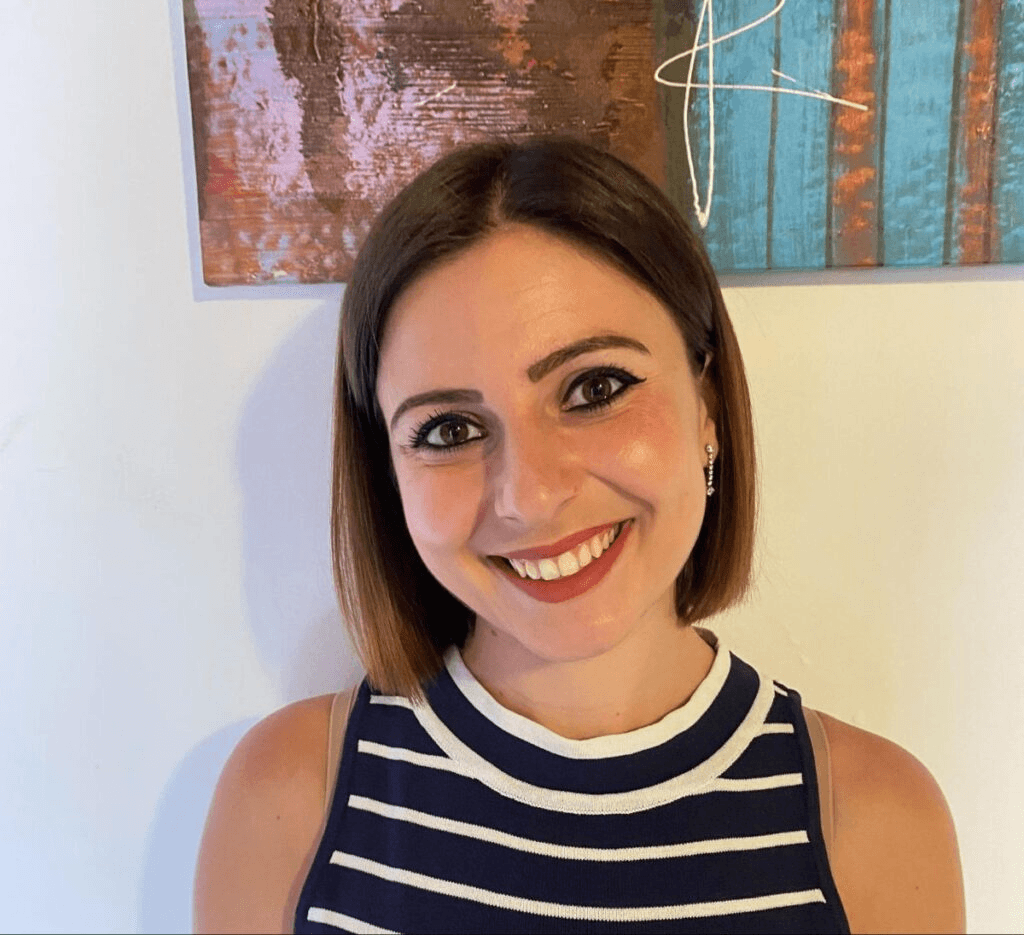
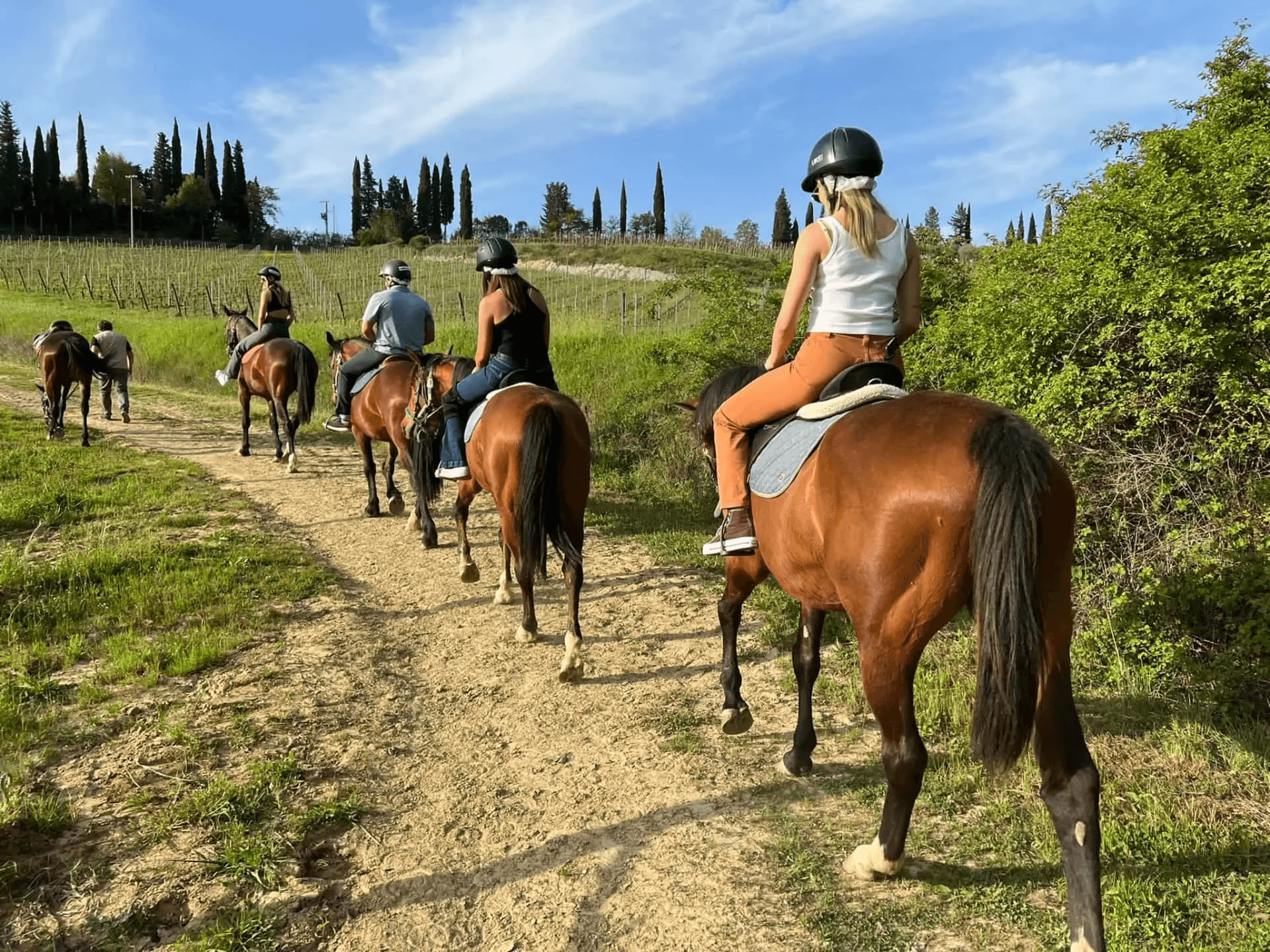
Last month, I spoke with a group of tour operators for an article I wrote for Arival on how day tour operators are making the transition into multi-day experiences. One of those conversations was with Florida Avdullaj, a Travel Designer at Fun in Tuscany — a Florence-based operator running private and small group tours across Tuscany, known for experiences that go well beyond the tourist trail (think Vespa rides through the Chianti hills, truffle hunting, and combined Vespa and horseback adventures). More recently, they have grown into private multi-day itineraries, from short escapes through Florence and the wine country to fully customised journeys across Tuscany, Umbria and Emilia-Romagna.
For Florida, designing an itinerary is about more than understanding the requirements — the dates, the destinations, the logistics. It’s about understanding the person. Before she designs anything, she wants to know who she’s building it for: their age, where they’re travelling from, who they’re travelling with. From there, she deepens that picture through the questions she asks — drawing out what a guest is really after, not just what they’ve put in an email. That depth is what allows her to design itineraries that go beyond what a guest expected — and to build the trust that comes from knowing a trip was designed with you in mind.
Fun in Tuscany is known for its single-day experiences. How did multi-day tours come into the picture?
It happened very organically. We started receiving more and more requests for longer trips — guests who wanted more time, or new enquiries from people planning a week in Tuscany and looking for someone to put it all together. In the last year especially, those requests have grown a lot.
And honestly, it’s so much more stimulating. With single-day tours you have a set itinerary and guests know what they’re getting. With multi-day, you’re building something from the ground up — thinking about how to give guests a different experience each day, how to show them every side of the region. We also have suppliers in Emilia-Romagna and Umbria, so there’s the opportunity to take guests beyond Tuscany entirely, to see different parts of Italy over the course of a longer journey. That creative challenge is something I really enjoy.
What multi-day tours do you currently offer?
We have three packages on our website. The Tuscany Escape is a three-day, two-night experience starting in Florence, moving into the Chianti wine country, and taking in Siena, Monteriggioni and San Gimignano.Florence in Tuscany is a two-day, one-night trip combining Florence with San Gimignano and the Tuscan wine region. And Tuscany in Umbria is a three-day, two-night journey travelling from Florence through to Perugia, Assisi and Rapolano Terme.
But in practice, most of what we do for multi-day is fully customised. Guests come to us and say: “We have this week — design us something that helps us discover Tuscany and places we don’t yet know.” We take care of everything: activities, accommodation, meals, guides, transportation. It’s a full package, and no two are ever quite the same.
You have to take into account so many variables — but that also makes it intellectually stimulating, and what makes the end result so satisfying.
Walk me through how you approach designing a custom itinerary. Where do you start?
It always starts with questions. Before I can design anything, I need a complete framework — an understanding of who I’m building for. How many guests? What age range? Have they already booked accommodation, or do they need us to arrange it? Where are they travelling from? All of that shapes everything that follows.
One thing I’ve learned is that guests often arrive with ideas that seem clear but aren’t quite realistic. They might want to visit somewhere in the south of Tuscany and then somewhere far away the very next morning, without realising how much time that means in the car. So part of my job is being honest about distances — not to say no, but to explain: we can do that itinerary, but here is what it will actually feel like. Three hours in a car is not so entertaining. And then I offer an alternative that keeps the spirit of what they want, while making the trip genuinely enjoyable. I always try to suggest an alternative that stays within the lines of what they’ve requested.
It’s a long process before we reach a confirmed itinerary. There are many back-and-forth emails, sometimes a video call. We keep everything in writing — we’re a team of three in the office, and everyone needs to know exactly what’s been asked and where things stand.
You’ve described the role as part designer, part psychologist. What do you mean by that?
You have to be a psychologist, not just a tour operator. You have to take into account the age of your guests, their tastes — and you have to understand all of this from the very beginning. Some guests want something adventurous to start; others want to ease in more gently. Getting that right before you build anything is everything.
If you get the brief wrong at the start, you can build a beautiful itinerary that completely misses the mark. So I ask a lot of questions up front. I want to know what guests are looking for at the very beginning — because if you ask the right questions and then build something different, you’ve lost them. The goal is always to make the guest feel listened to. That is the key word: care. To be caring.
It’s important to ask what our guests are looking for from the very beginning. If you build a complete framework at the start, you can move with agility. Build something different from what they asked for, and you’ve already lost them.
How does your communication with guests change once they’re actually on the trip?
With the confirmation, guests receive a detailed day-by-day description of everything they’ll be doing — accommodation links, the guide’s phone number, everything they need to feel prepared. But communication doesn’t stop there. It continues throughout the trip.
That ongoing communication is one of the real strengths of multi-day touring. You can pick up feedback as you go and adjust things step by step. If something needs to change, you intervene. Making guests feel that someone is genuinely paying attention to their experience — that they are being cared for — matters so much more over ten days than it does over one. They have chosen to visit your country, your region. They are your guests. That is a real responsibility.
How is the multi-day guest different from the single-day guest?
They are more demanding — and rightly so. With a single-day tour, if something goes wrong, it is just for that day. With a multi-day tour, a guest is spending many days with you. The accountability is on a completely different level. You have to be ready to intervene promptly on problems — and competent enough to solve them when they arise. Being accountable means knowing how to do that, calmly and quickly.
What guests are looking for, when they come to Tuscany for many days, is simply to have fun. They don’t want to think about issues. They want to enjoy every day. That’s our priority — to be accountable, and to make sure that whatever comes up, they never feel it.
Inside a multi-day tour, accountability is very important — for many days you have to experience the same company. It’s our priority to be accountable and to be entertaining for our guests.
What do you find most enjoyable about working on multi-day tours?
It’s intellectually stimulating in a way that single-day tours simply aren’t. There are so many more variables to manage — and yes, that extends the anxiety a little — but it also extends the excitement. You have to think in a preemptive way. You can’t just react; you have to anticipate. And you’re constantly building new relationships with partners across the region, finding new combinations, discovering what’s possible.
We’re about three years into this multi-day journey, and it already feels like the most alive part of the work. When you’ve built something that truly fits a guest and you can see that they’ve had exactly the experience they were hoping for — that is deeply satisfying.
If you’d like to learn more about the single-day and multi-day experiences Florida and the Fun in Tuscany team offer, visit funintuscany.com.
If you enjoyed this conversation, you might also like:
13 Hard Won Lessons from the Field — Six months of conversations with experienced operators distilled into practical lessons on designing and running unforgettable tours.
The 5 Habits of Effective Multi-Day Tour Operators — How the best operators avoid fighting fires and build businesses that run smoothly at scale.
Guide Itineraries: Best Practices for Seamless Tours — Everything you need to know about building guide itineraries that keep tours running smoothly, from the details that matter to how senior operators structure them.